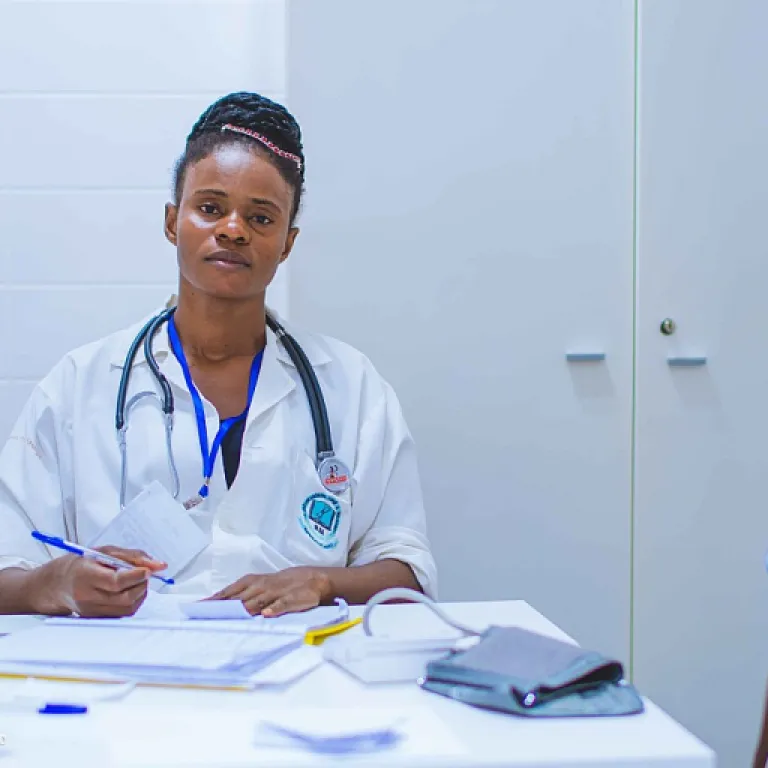
Understanding the core responsibilities of a human resources assistant
Key Functions You’ll Handle as a Human Resources Assistant
The human resources assistant job description covers a wide range of responsibilities that support both the HR manager and the broader HR team. As an assistant, you’ll often be the first point of contact for employees and candidates, making your communication skills and attention to detail essential. Your daily work will involve a mix of administrative support, employee relations, and recruitment tasks, all of which contribute to the smooth operation of the HR department.
- Administrative Support: You’ll manage employee records, maintain confidential files, and process paperwork related to hiring, salary changes, and benefits. This includes updating databases and preparing reports for the HR specialist or director.
- Recruitment Assistance: Expect to help with posting job openings, screening resumes, scheduling interviews, and communicating with candidates. Your work ensures the recruitment process runs efficiently for both the manager assistant and the project manager.
- Employee Relations: You’ll answer employee questions about company policies, benefits, and training opportunities. Sometimes, you’ll help organize onboarding sessions or assist with employee engagement initiatives, often in collaboration with the business partner or management team.
- Compliance and Best Practices: Staying updated on HR best practices and legal requirements is crucial. You’ll help ensure the company follows regulations related to employee records and workplace policies.
- Supporting HR Projects: Whether it’s helping with social media campaigns for employer branding or assisting with training programs, your role as a resources assistant is dynamic and requires flexibility.
Each company’s assistant job description may vary, but these core functions remain consistent across most organizations. Understanding these responsibilities will help you prepare for interview questions and demonstrate your management skills and experience. For more on how HR assessments can impact your career path, explore this guide to the Hogan Leadership Assessment and its relevance in HR job interviews.
Essential skills employers look for in hr assistants
Key Competencies Every HR Assistant Needs
When reviewing a human resources assistant job description, it’s clear that employers seek a blend of technical and interpersonal skills. The role is not just about administrative support; it’s about being a reliable business partner for both employees and management. Here’s what stands out:
- Communication skills: Clear and professional communication with employees, managers, and external specialists is essential. This includes both written and verbal exchanges, whether you’re answering employee questions or preparing reports for a director.
- Organizational abilities: Managing employee records, tracking recruitment processes, and handling training schedules require strong time management and attention to detail. Administrative assistants in HR often juggle multiple tasks at once.
- Confidentiality and discretion: Handling sensitive employee information is a core responsibility. Employers expect you to maintain privacy and follow best practices in data management.
- Problem-solving skills: From resolving employee relations issues to supporting management with project work, HR assistants need to think on their feet and offer practical solutions.
- Technical proficiency: Familiarity with HR software, social media for recruitment, and office tools is increasingly important. Some job descriptions may also mention experience with project management platforms.
- Teamwork and adaptability: Working closely with HR managers, analysts, and other specialists means being a flexible team player, ready to adapt to changing priorities.
What Sets Top Candidates Apart
Employers often look for candidates who demonstrate not just the required skills, but also a willingness to learn and grow. Experience in employee relations, recruitment, or training can be a plus, but showing initiative and a genuine interest in human resources management is just as valuable. If you’ve supported a manager assistant or worked in full time administrative roles, highlight how those experiences prepared you for the assistant human resources position.
For those seeking to boost their interview readiness, consider how project cycle management training can boost your HR job interview success. This kind of training can help you stand out by showing your commitment to best practices and continuous improvement.
Skills Mentioned in Job Description Examples
| Skill | Why It Matters |
|---|---|
| Employee records management | Ensures accuracy and compliance in HR documentation |
| Recruitment support | Assists with hiring processes and candidate communication |
| Administrative support | Keeps HR operations running smoothly |
| Management skills | Helps in coordinating projects and supporting HR initiatives |
| Social media proficiency | Enhances employer branding and recruitment outreach |
Understanding these core skills will help you prepare for common interview questions and present your experience in the best light during your HR assistant job search.
How to interpret job descriptions for interview preparation
Decoding the Language of HR Assistant Job Descriptions
When preparing for an interview as a human resources assistant, it’s essential to read job descriptions with a critical eye. Employers often use specific terms and phrases that reveal what they truly value in a candidate. Understanding these details can help you tailor your preparation and responses to align with the expectations of the manager or HR specialist conducting the interview.
- Look for Core Responsibilities: Pay attention to tasks like maintaining employee records, supporting recruitment, and providing administrative support. These are usually at the heart of the assistant job, and you’ll want to be ready to discuss your experience or skills in these areas.
- Spot Required Skills: Job descriptions often list communication skills, management skills, and organizational abilities. If you see terms like "business partner" or "project manager," it suggests the company values collaboration and initiative. Highlight examples from your work or training that show you can handle these responsibilities.
- Notice Keywords Related to Employee Relations: Words like "employee relations," "training," or "salary administration" indicate you may be involved in supporting employees directly. Be prepared to answer interview questions about how you’ve handled sensitive employee issues or supported management in the past.
- Check for Technology and Tools: References to HRIS, social media, or data analyst tasks mean the employer expects you to be comfortable with digital tools. If you have experience with these, be ready to discuss it.
- Understand the Scope: Terms such as "full time," "manager assistant," or "administrative assistant" can signal the level of responsibility and time commitment. If the description mentions "best practices" or "description examples," it’s a hint that the company values up-to-date knowledge and continuous improvement.
To make the most of your preparation, compare the job description to your own experience and skills. Think about how your background fits with the company’s needs, and be ready to provide specific examples. For more tips on how to stand out, check out this guide on how to shine as employee of the quarter during your HR job interview.
Remember, interpreting the job description is not just about matching keywords. It’s about understanding the company’s culture, the manager’s expectations, and how you can bring value as a human resources assistant. This approach will help you answer interview questions with confidence and demonstrate your potential as a future business partner or administrative support specialist.
Common interview questions for hr assistant roles
Interview Questions You’re Likely to Face
When preparing for an HR assistant job interview, it’s important to anticipate the types of questions you might encounter. Interviewers often want to assess your understanding of the human resources field, your administrative support skills, and your ability to handle employee relations. Here are some common interview questions for HR assistant roles, along with tips on how to approach them:
- How do you maintain accurate employee records?
Employers are looking for your attention to detail and understanding of best practices in data management. Share examples of systems or processes you’ve used to keep employee information organized and confidential. - Can you describe your experience with recruitment or onboarding?
Highlight your involvement in the recruitment process, from posting job descriptions to scheduling interviews and assisting with new hire training. Mention any collaboration with a manager, analyst, or HR specialist. - What steps do you take to ensure effective communication with employees and management?
Demonstrate your communication skills by describing how you relay information between employees, managers, and directors. Give examples of how you’ve handled sensitive topics or resolved misunderstandings. - How do you prioritize tasks when supporting multiple managers or projects?
Showcase your time management skills and ability to provide administrative support in a busy environment. Discuss how you balance full time responsibilities, urgent requests, and ongoing projects. - Describe a time you helped resolve an employee relations issue.
Interviewers want to know how you handle conflict and support a positive workplace. Share a real example, focusing on your role as an assistant human resources partner and the outcome for the employees involved. - What HR software or tools have you used?
Be specific about your experience with HR management systems, payroll software, or social media platforms for recruitment. This shows your readiness to contribute from day one. - How do you stay updated on HR best practices and compliance?
Discuss any training, workshops, or resources you use to keep your knowledge current. Mention how this benefits your work and the business partner relationship with your team.
Tips for Answering HR Assistant Interview Questions
- Use real examples from your past experience, even if they’re from administrative assistant or manager assistant roles.
- Connect your answers to the job description and the core responsibilities of a resources assistant.
- Highlight both your technical and soft skills, such as management skills and communication skills.
- Be honest about your experience level, but show your willingness to learn and adapt.
- Prepare a few questions to ask the interviewer about the team, training opportunities, or salary expectations.
By preparing thoughtful answers and understanding what employers value in an HR assistant, you’ll be ready to make a strong impression during your interview.
Showcasing your experience and potential in interviews
Highlighting Your Value as an HR Assistant
When preparing for an interview, it’s important to connect your experience and skills directly to the human resources assistant job description. Employers want to see how your background aligns with the needs of their team and how you can contribute to employee relations, recruitment, and administrative support.- Use real examples: When discussing your previous work, reference specific situations where you managed employee records, supported a manager or director, or handled recruitment tasks. For instance, describe how you improved a process for tracking employee training or supported a project manager with onboarding new employees.
- Demonstrate communication skills: HR assistants often serve as a business partner between employees and management. Share examples of how you’ve used communication skills to resolve issues, clarify policies, or support a positive work environment.
- Showcase management skills: Even if you haven’t held a management title, highlight times you’ve organized schedules, coordinated resources, or assisted with full time employee transitions. Mention any experience as an administrative assistant or manager assistant that’s relevant.
- Emphasize adaptability: The best HR assistants are flexible and able to handle a variety of tasks, from social media updates to supporting a human resources specialist with salary surveys. Briefly explain how you manage time and prioritize work during busy periods.
- Connect to business goals: Explain how your work as a resources assistant contributed to broader company objectives, such as improving employee engagement or supporting best practices in recruitment and training.
Making Your Experience Stand Out
A clear, concise approach helps interviewers see your potential. Consider using a table to organize your experience and match it to the job description:| Job Requirement | Your Experience |
|---|---|
| Administrative support | Managed employee records and supported HR management with onboarding paperwork |
| Recruitment assistance | Coordinated interview schedules and communicated with candidates as an assistant human resources analyst |
| Employee relations | Helped resolve employee questions and supported training sessions for new hires |
| Project management | Assisted project manager with organizing HR events and maintaining timelines |
Mistakes to avoid when discussing the hr assistant job description
Common pitfalls when discussing your HR assistant responsibilities
When talking about your experience with a human resources assistant job description in interviews, it’s easy to make mistakes that can hurt your chances. Here are some things to watch out for:- Overstating your role: It’s tempting to make your assistant job sound like a manager or specialist position. Stick to what you actually did, whether it was administrative support, maintaining employee records, or helping with recruitment. Hiring managers value honesty and clarity about your real responsibilities.
- Ignoring the importance of communication skills: Many candidates focus only on technical tasks like payroll or training, but communication skills are essential for employee relations and working with other business partners. Be ready to share examples of how you handled sensitive employee questions or supported management with clear communication.
- Forgetting to mention teamwork: Human resources assistants rarely work alone. Highlight how you collaborated with the HR director, project manager, or other administrative assistants. Employers want to see that you can work well with employees at all levels.
- Not connecting your experience to the job description: Interviewers look for candidates who understand the specific needs of their organization. Before the interview, review the job description examples and think about how your skills and experience match what’s listed. Use the same language when possible to show you’re a good fit.
- Overlooking full-time vs. part-time expectations: If the assistant human resources job is full time, make sure you address your ability to manage time and handle a busy workload. Management skills and the ability to prioritize are key for these roles.
- Downplaying your administrative support experience: Some candidates think administrative tasks are less important, but they are the foundation of a successful HR team. Highlight your attention to detail, organization, and ability to support both employees and management.
- Not preparing for salary and benefits questions: Be ready to discuss your understanding of salary ranges for HR assistants. Show you know the market and can talk about compensation confidently if asked.
Tips for presenting your HR assistant experience effectively
- Use clear, specific examples from your work as a resources assistant or administrative assistant.
- Show how you supported employee relations, recruitment, or training initiatives.
- Demonstrate your management skills, even if you weren’t a manager assistant or project manager.
- Highlight your adaptability, especially if you’ve worked with social media or new HR technologies.
